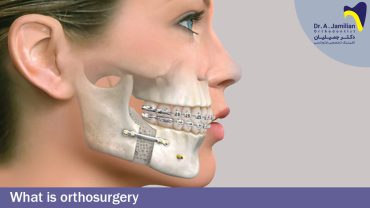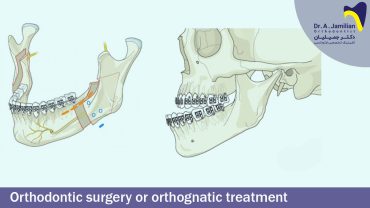


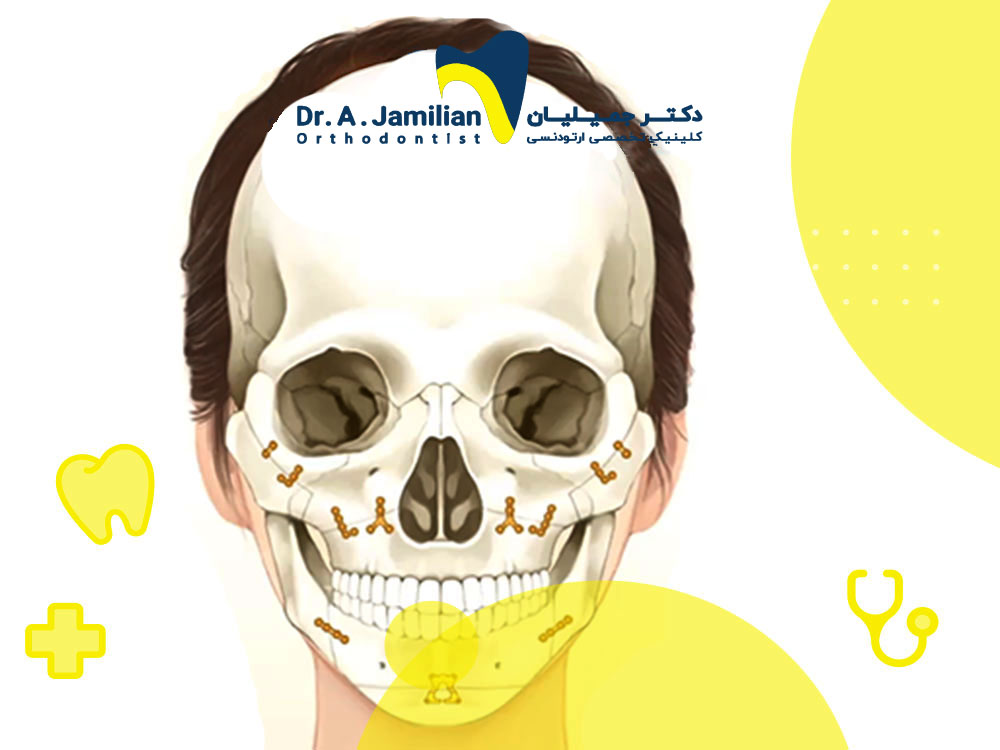
To prevent serious complications during jaw surgery, we first need to understand what those risks actually are. Many complications can be avoided or managed by following proper care instructions. In particular, life-threatening risks related to jaw surgery can often be prevented with the right pre- and post-operative measures. In this article, we outline the most important complications and explain how to reduce the chances of them happening.
What Are the Most Serious Risks in Jaw Surgery?
The main complications that may occur after jaw surgery are listed below. Keep in mind that these issues don’t happen to every patient, they only occur in specific cases:
- Septic shock (severe, uncontrolled infection)
- Permanent numbness
- Jawbone fracture
- Bone necrosis
- Sinusitis
- Perforation of the sinuses
- Airway obstruction (due to severe swelling or bleeding in the back of the throat)
- Uncontrolled bleeding (from damage to major blood vessels)
- Pulmonary embolism (a blood clot traveling to the lungs)
- Septic shock (severe, uncontrolled infection)
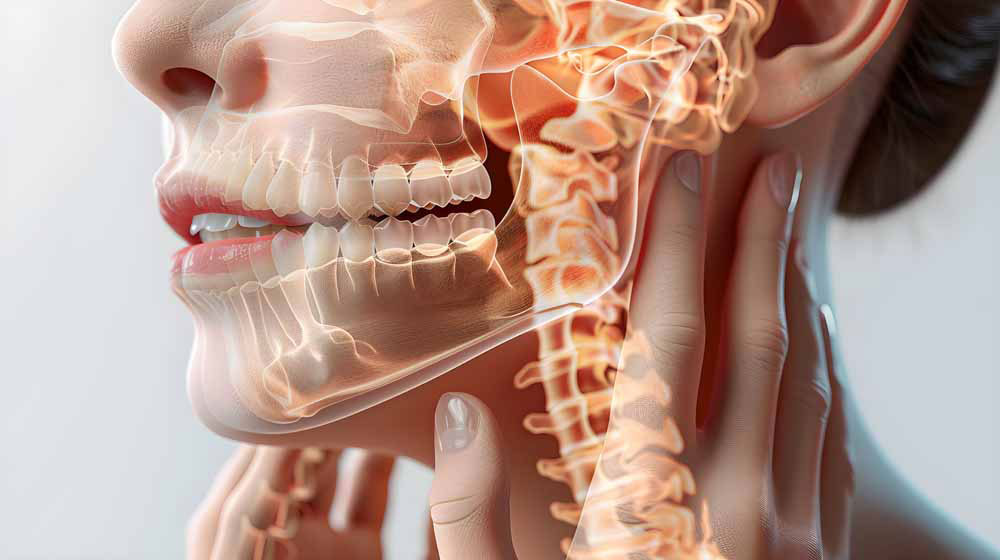
How Can Serious Complications Be Prevented?
Preventive measures fall into two main categories: pre-operative and post-operative care.
Pre-operative Steps
A few simple steps before surgery can significantly lower the risk of serious complications. For example, smoking slows wound healing and increases the risk of tissue death (necrosis). Poorly controlled diabetes delays bone healing and raises the chance of severe infections. Recent studies also show that patients with protein malnutrition are more likely to experience loosening of mini-plate screws.
Here are some key things to do before jaw surgery:
- Quit smoking
- Control systemic conditions like diabetes
- Complete all necessary tests
- Improve overall nutrition
- Choose a well-equipped medical center (especially for complex double-jaw surgeries)
- Avoid blood-thinning medications (under your doctor’s supervision)
Post-Operative Care After Jaw Surgery
Post-operative care is just as important as the surgery itself and the preparations beforehand. The main aftercare guidelines include:
- Refrain from using tobacco products
- Avoid hard or chewy foods
- Maintain good oral hygiene
- Take all prescribed medications exactly as instructed
- Keep blood sugar well controlled if you have diabetes
- Avoid lifting heavy objects
- Try to control coughing and sneezing
- Attend all scheduled follow-up appointments
When it comes to oral hygiene, taking antibiotics correctly is extremely important. An infection can turn into one of the most dangerous complications after jaw surgery. An uncontrolled infection not only jeopardizes the entire treatment process but can also seriously threaten the patient’s overall health.
One of the worst complications that can happen due to patient negligence is a fracture of the operated jawbone, usually caused by chewing hard foods or sudden excessive pressure. Tobacco use should be stopped at least eight weeks before surgery and avoided for at least eight weeks afterward.
Mortality in Jaw Surgery
Compared to other types of surgery, orthognathic surgery is considered safe. According to metadata, death following jaw surgery is extremely rare, occurring in only about 0.003% to 0.01% of cases. Advances in surgical techniques, medical equipment, and medications have played a major role in this. Some of the most serious, potentially life-threatening complications depend largely on the surgeon’s skill and the quality of the medical center. Therefore, choosing a skilled surgeon and a well-equipped medical facility is essential especially for double-jaw surgery.
Psychological and Emotional Effects of Jaw Surgery
psychological stress. A relatively long recovery period, dietary restrictions, unrealistic expectations, and lack of sufficient support from family or friends can all contribute to emotional challenges. Some statistics even show that post-operative depression can be more dangerous than physical complications like pulmonary embolism. Suicidal thoughts have been reported after surgery, particularly in patients expecting overly dramatic results.
It’s important to remember that jaw surgery is not just cosmetic. It also addresses many functional issues, such as breathing, digestion, and sleep health. Setting realistic expectations and ensuring family and social support during the treatment process are crucial for reducing psychological stress.
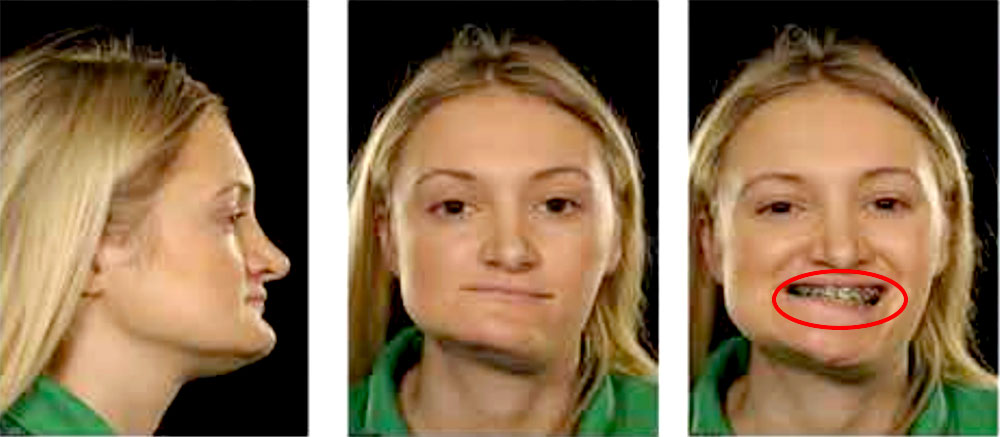
Conclusion: Preventing Serious Complications in Jaw Surgery
Overall, assessing a patient’s health status before surgery, and improving it if necessary, can significantly reduce the risk of serious complications. Patients themselves also play a key role by following the pre- and post-operative steps outlined above. Thanks to advances in technology and surgical techniques, mortality in jaw surgery is now extremely rare.
In some cases, emotional and psychological challenges, especially those caused by unrealistic expectations or the physical stress of recovery, can be even more dangerous than physical complications. Helping the patient set realistic goals and providing support from loved ones are critical in managing these issues.
Before undergoing surgery, it’s also recommended to consult with an experienced orthodontist to discuss the orthodontic treatment plan. Fixed orthodontic appliances are used to correct dental misalignments, while removable orthodontics appliances are typically used to address jaw or skeletal issues.