

Metal orthodonticsare effective in correcting different types of dental crowding and misalignment, but their visible appearance can be unpleasant for some patients. Over the recent years, ceramic orthodontics have become increasingly popular among adults because they provide a better look compared with metal orthodontics. This advantage is especially important in professional and social environments. In the following sections, ceramic orthodontics for adults are explained, along with their benefits and drawbacks compared to metal orthodontics.
What Is Ceramic Orthodontics?
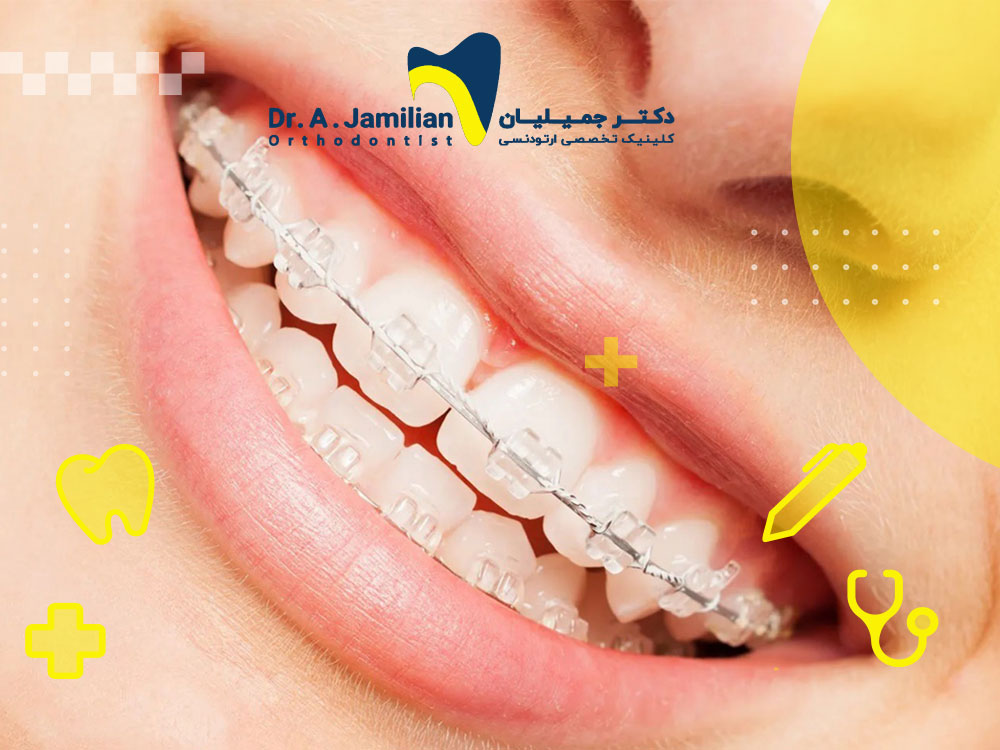
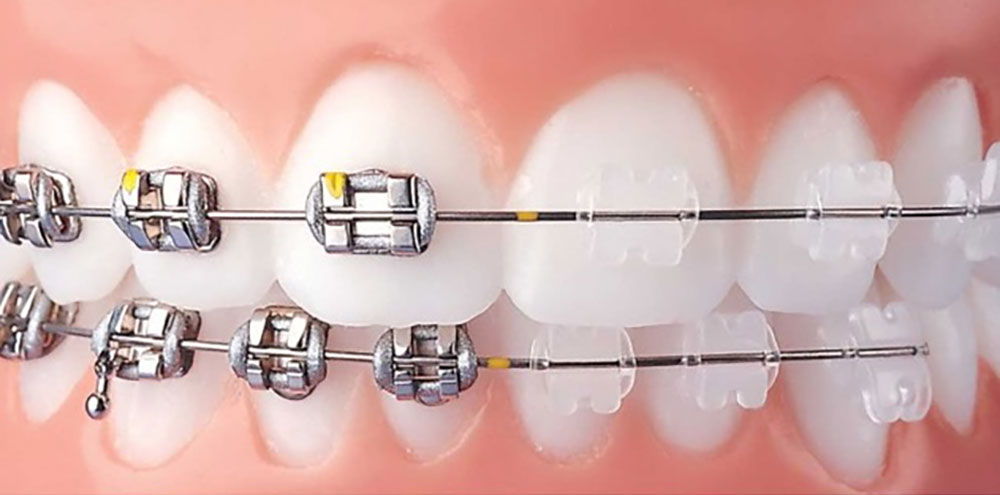
From a functional and design perspective, ceramic orthodontics is almost similar to metal orthodontics, but their types of material are different. In ceramic orthodontic production, the brackets are commonly made from aluminum oxide, which closely matches the natural appearance of teeth. However, ceramic brackets may differ slightly from metal brackets in terms of durability, care requirements, and treatment duration.
Why Are Ceramic Orthodontics More Suitable for Adults?
Ceramic orthodontics provide several key advantages that are particularly important for adults, including:
- Increased self-confidence
- Compatible with certain professional positions
- Greater comfort in accepting the treatment process
- Shorter treatment duration than invisible orthodontics
- Higher efficiency than invisible orthodontics
- Lower cost than invisible orthodontics
Many adults are uncomfortable with the appearance of metal braces, and this discomfort can reduce their self-confidence. In addition, some people need to maintain a neat and professional appearance due to their job type and social interactions. Examples include flight attendants, managers, consultants, teachers, and sellers of specialized goods. For such individuals, ceramic orthodontics can be an excellent option, as their tooth-colored brackets make them much less noticeable. Invisible braces can also offer such benefits, but they are more expensive and may not be as effective as ceramic brackets in cases involving complex dental conditions.
Combination With Metal Orthodontics
Ceramic orthodontics for adults may not be sufficient when used alone in cases with severe or highly complex dental malocclusions. Therefore, a combined use of metal orthodontics can be applied to enhance strength and efficiency while preserving the aesthetic advantages of ceramic braces. In such cases, internal parts of the appliance are made of metal, while the front brackets are ceramic.
Ceramic Orthodontics for All Age Groups
The natural appearance of ceramic orthodontics for adults can be equally important to adolescents. In fact, some adolescents are even more resistant to using metal orthodontics because of their look. Research findings indicate that ceramic orthodontics are often the second option among adolescents after invisible braces. Given the changing preferences among younger generations, ceramic braces have also gained popularity in this age group. However, many orthodontic specialists continue to recommend metal brackets due to their superior strength.

For more information, see the article Ceramic Orthodontics.
Disadvantages of Ceramic Orthodontic Appliances
Despite their advantages, ceramic orthodontics for adults have lower strength compared with metal orthodontics. As a result, improper care or excessive pressure can increase the likelihood of damage or breakage. However, recent advancements in material technology have significantly improved their strength.
While the greatest benefit of ceramic orthodontics is their natural, less visible appearance, the elastic ties used to secure the wire may discolor over time and require more frequent replacement. Other disadvantages of ceramic braces compared with metal ones include higher cost, larger bracket size, and an increased risk of teeth chipping during the removal of the orthodontic appliance.
Limitations of Using Ceramic Orthodontics
In certain situations, ceramic orthodontics for adults may be limited or may not achieve the desired treatment results, including the following cases:
- Patients who grind their teeth or participate in martial sports (higher risk of fracture).
- When a shorter treatment period is a priority for patients, metal brackets are usually more suitable.
- Cases where there is a high risk of tooth fracture due to direct contact with the brackets.
- Individuals who do not have sufficient time or attention for careful cleaning of ceramic brackets (higher risk of discoloration)
Final Remarks
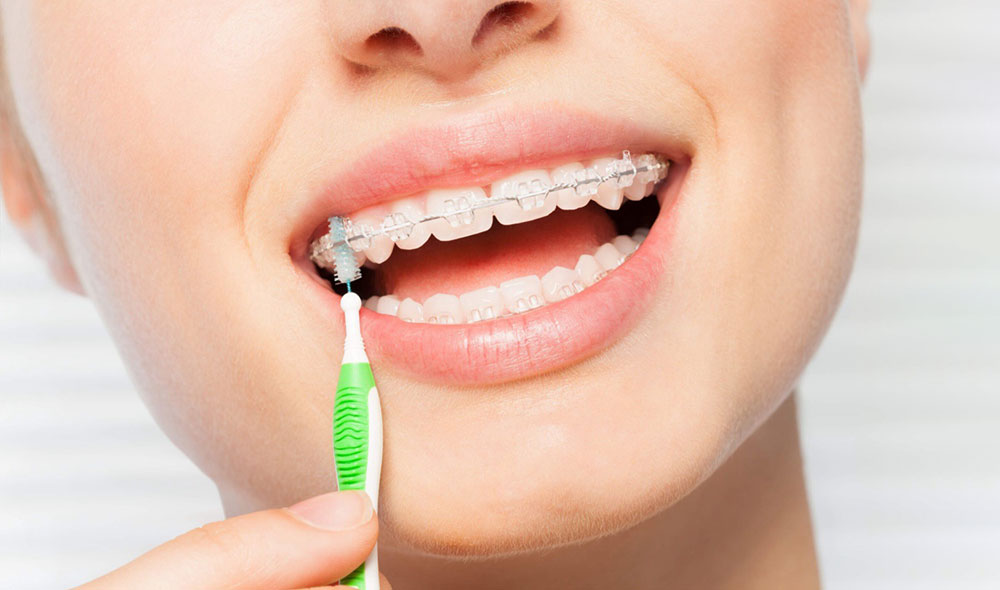
Considering today’s social conditions and relationships, ceramic orthodontics for adults has become a widely popular option. In addition to their beautiful appearance, ceramic brackets are highly effective in treating many dental problems and malocclusions. If metal braces are inconvenient or undesirable for you due to work or social reasons, ceramic brackets may be a suitable choice. Their cleaning and maintenance are very similar to those of metal braces, but they require slightly more care to prevent accidental pressure and impact, or discoloration.